Pineapple Pilsner Carrot Cupcakes Recipe

Sometimes, happiness is just a cupcake away. And to create the moistest, sweetest, and most flavourful cupcakes, a touch of pilsner magic wll do the trick. Pineapple Pilsner Carrot Cupcakes are the perfect treat for any occasion.

Pineapple carrot cupcakes are a variation of the classic carrot cake, which is believed to have originated from mediaeval Europe, where carrots were commonly used as a substitute for sugar.

Beers, specifically lagers in baking, is a concept commercialised in the early 2000s and has been positively appreciated. Pilsner beer, for the cupcakes, makes them moist and tender creating a distinct texture, as Barahsinghe pilsner beer is light and crisp which does not overpower the taste of cupcake. Also, the addition of pineapple creates a flavour profile that is both tropical and refreshing.

The carrots and pineapple make these cupcakes a healthy snack option as well, as they are rich in Vitamin A. These delicious cakes with cheese toppings are versatile in taste; you can enhance the flavour and texture by adding coconut, raisins, or other fruits.

Here’s our recipe for Pineapple Pinser Carrot Cupcakes.

Ingredients

  • 57ml Barahsinghe Pilsner Bier
  • 150g flour
  • 1 tsp baking powder
  • 1/2 tsp baking soda
  • 1 tsp ground cinnamon
  • 1/4 tsp ground ginger
  • 1/4 tsp ground nutmeg
  • 133g light brown sugar
  • 150g granulated sugar
  • 30g chopped pecans
  • 1 large carrot finely grated
  • 114g crushed pineapple, drained well
  • 80 ml vegetable oil
  • 1 large egg
  • 1 tsp pure vanilla extract

For the icing

  • 226g cream cheese, room temperature
  • 57g butter, room temperature
  • 240g powdered sugar
  • 1/2 tsp fresh ginger grated with a microplane (plus additional to taste)
  • 1 tsp coconut extract

Instructions

  1. Preheat your oven to 176°C (350°F).
  2. In a large bowl stir together the flour, baking soda, baking powder, salt, cinnamon, ginger, nutmeg, brown sugar, white sugar, pecans, and carrots.
  3. Add the pineapple, vegetable oil, beer, egg, and vanilla, and stir until combined.
  4. Line a muffin tin with cupcake papers, and add the batter to the cupcake papers until about 3/4 full.
  5. Bake for 20-24 minutes or until the tops spring back when lightly touched.
  6. Add the butter and cream cheese to a bowl of a stand mixer and beat until well combined (if your butter is still cold, beat it on its own until creamy before beating in the cream cheese).
  7. Add the remaining ingredients, and beat until well combined, light and creamy.
  8. Pipe the frosting onto the cupcakes once the cupcakes are completely cool.
  9. Refrigerate until ready to serve.
Recipe Source:

https://thebeeroness.com/2020/04/16/pineapple-pilsner-carrot-cupcakes-with-coconut-ginger-cream-cheese-frosting/

What is a pale ale?

Pale ale encompasses a range of top-fermented beer styles characterised by malty flavours like biscuit and bread, accompanied by a hop-forward bitterness. They exhibit a pale golden to amber appearance.

The flavour profile of each pale ale is uniquely shaped by the selection of hops, offering a delightful variety of aromas and flavours.

A Brief History Of Pale Ale

Pale ales originated in the United Kingdom around 1703 when brewers started using pale malts in the brewing process. This shift was made possible by the use of coke, a type of fossil fuel, during malting, which resulted in a lighter colour compared to the darker, roasted malts used in other beer styles of that time.

The term “pale ale” was initially used to distinguish this lighter-coloured beer from the traditional dark ales prevalent during that era. As paler malts became more available, the popularity of this new beer style grew.

From the early 1800s, pale ale was commonly referred to as “bitters.” The use of English hops and the mineral-rich water from the Burton-on-Trent region in England contributed to the pronounced hop bitterness. The English-style pale ale soon gained popularity worldwide, inspiring different types of pale ales.

Over time, pale ale continued to evolve, adapting to changing tastes and brewing techniques. It became a staple style in the craft beer revolution, enjoyed both in England and across the globe.

Types Of Pale Ale

1. English-Style Pale Ale

English-style pale ale is known for its balanced flavour profile of malt and hop bitterness. The use of two-row pale malt and crystal malt gives rise to malty, caramel notes, while English hop varieties provide bitterness along with earthy, herbal flavours and aromas.

The fruity character is a result of the ale yeast strains used, which produce esters during fermentation. This beer style exhibits a gold to bronze appearance.

2. Hazy India Pale Ale (IPA)

Hazy IPA is a variation of the traditional India Pale Ale (IPA) that originated in England. It features citrus or fruity flavours with low bitterness, achieved through the use of American hops.

Hazy IPAs have a signature hazy appearance due to the use of higher protein malts such as oats and wheats, which also contribute creamy flavours and a full-bodied mouthfeel.

3. American Pale Ale (APA)

Hops play a defining role in American Pale Ale (APA), with the use of American hop varieties. This results in more floral, piney, citrus, or fruity flavours and aromas.

APA exhibits a light bready and toasty malt character, with medium to medium-high hop bitterness.

Beer Cake Recipe

What is it about beer that makes it a wonderful ingredient for baking?

Baking a cake using beer has been a popular practice for enhancing flavour and tenderising effect.

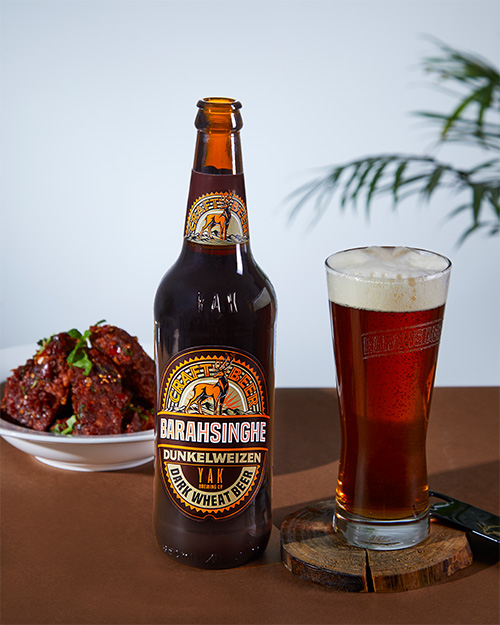
In this blog, we share the easy-to-make beer cake recipes using Barahsinghe Dunkeleweizen. The carbonation in this wheat beer style not only gives the cake extra moisture but also adds a tender texture.

Here’s the recipe for you.

Ingredients

  • 250ml Barahsinghe Dunkelweizen
  • 275g plain flour 2 1/2 tsp baking soda
  • 75g cocoa powder 250g unsalted butter
  • 320g caster brown sugar
  • 150g cream cheese (room temperature)
  • 2 eggs
  • 125g icing sugar
  • 110g butter

Instructions

  1. Heat your oven to 180°C (356°F).
  2. Line a 9 inch cake tin with baking paper.
  3. Weigh up the cocoa powder and sugar together in one bowl. In another, weigh up the plain flour and baking soda and set aside.
  4. Using a whisk, mix together the eggs and yogurt and set aside.
  5. In a large pot, pour in the Barahsinghe Dunkelweizen and butter. Heat them up till the butter has melted.
  6. When you see the steam, turn off the heat and whisk in the cocoa powder and sugar. Make sure the sugar is dissolved.
  7. Next pour in the yogurt mix and whisk well, lastly add in the flour mix. Make sure there are no lumps.
  8. Pour the batter in the cake tin and bake in the oven for 45 mins. Check with a toothpick if it’s cooked, if not, bake for a further 10 mins.
  9. Let the cake cool completely, it may take 2 hours.

For the icing

  1. Beat the cream cheese and icing sugar together in a bowl using an electric mixer.
  2. When there are no more lumps, add in cubes of the soft butter and mix till it’s whipped.
  3. Spread the cream cheese frosting generously on top of the cake.

Recipe Source:

Instagram: @pratistha.95

What Is A Wheat Beer?

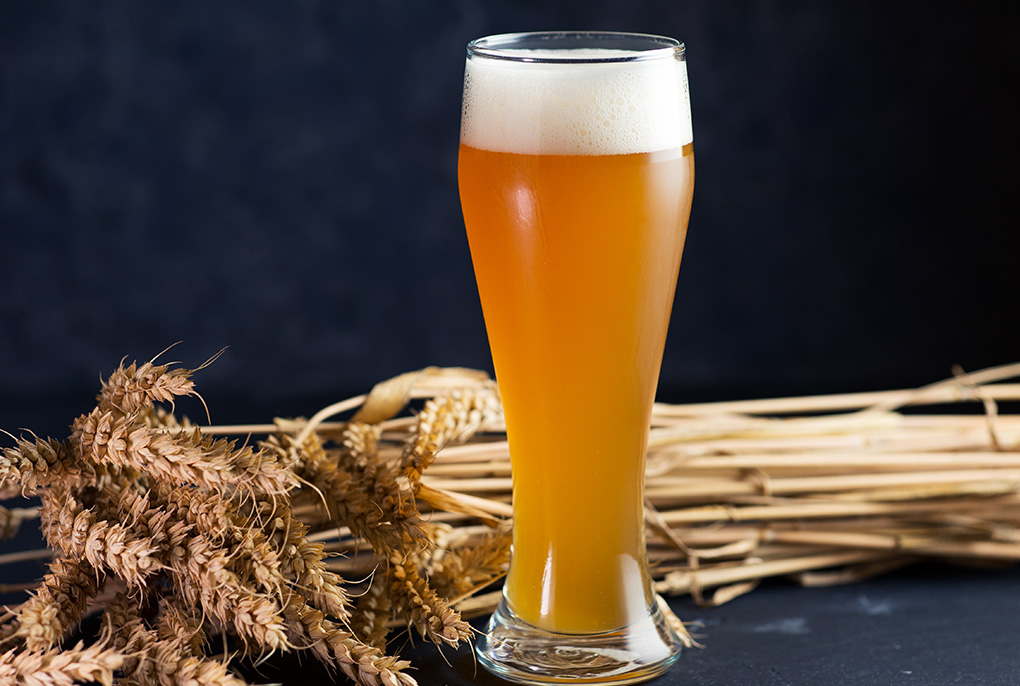
A wheat beer is a beer style brewed using at least 50% wheat malt, with the remaining ingredient usually being malted barley. Wheat beers have a distinctive cloudy appearance, creamy texture, fuller mouthfeel, and often exhibit citrusy and bready notes.

Brewing wheat beers can be challenging due to the high protein and starch content in wheat, which tend to bind together. To overcome this, wheat is brewed in combination with malted barley, which provides husks for lautering, creating a foamy head and creamy texture. The high protein in wheat also contributes to the hazy appearance of the beer.

A Brief History Of Wheat Beer

Wheat beer has a rich history dating back at least 6,000 years to Mesopotamia (modern-day Iraq and Kuwait). Archaeological evidence shows that Sumerian people in Southwest Asia brewed wheat beer using wheat, yeast, and water.

Depictions from around 3400 BC show two women enjoying wheat beer through straws. The Code of Hammurabi, dating back to the 1700s BC, even featured regulations governing the production and distribution of wheat beer.

In the 16th century, the Degenberg family obtained an exclusive brewing privilege for wheat beer from the ruling Wittelsbach dynasty. Eventually, the Bavarian dukes reclaimed control over wheat beer production, creating a monopolistic venture that lasted for two centuries.

While wheat beer faced a decline in popularity during the 19th century, it experienced a remarkable resurgence in the 1960s. Today, wheat beer stands as one of the most sought-after beer styles among craft brewers, enjoying a significant market share worldwide.

Styles Of Wheat Beer

1. Hefeweizen

Hefeweizen (“Hefe” means yeast and “Weizen” means wheat in German) is a traditional wheat beer style brewed with top-fermenting yeast. It imparts signature banana and clove flavours and aromas to the beer. The suspended yeast and high protein content give Hefeweizen its hazy appearance. It typically ranges in colour from straw to amber and has low bitterness.

2. Dunkelweizen

Dunkelweizen (“Dunkel”means dark and “Weizen” means wheat in German) is a variation of Hefeweizen made using roasted malt, which gives it a darker colour. Like Hefeweizen, it also exhibits notes of clove and banana. The use of roasted malts adds bready, malty sweetness, and chocolate-like flavours to Dunkelweizen.

3. Witbier

Witbier is a Belgian-style wheat beer made with unmalted wheat and spiced with coriander seeds and orange peel. It has a pale and cloudy appearance due to the presence of unfiltered starch and yeast. Witbier showcases a fruity and spicy flavour profile, with low hop bitterness.

4. American Wheat Beer

American wheat beer is inspired by German-style hefeweizen but has a distinct flavour profile due to the use of neutral yeast strains and American hops. It is brewed with around 30% malted wheat and can be fermented using either lager or ale yeast. American wheat beers exhibit fruity notes, and the hop aroma and bitterness can vary from low to medium.

Banana Beer Bread Recipe

Ever thought of a perfect way to have banana beer bread for breakfast?

The advent of banana bread can be traced back to the early 1920s when baking powder became widely available. Inspired by the abundance of overripe bananas and the ubiquity of baking powder, enterprising cookbook writers devised recipes for quick bread using bananas.

Adding dark wheat beer in the bread is a modern twist, but in no way changes the essence of classic banana bread. Wheat beer style such as Barahsinghe Dunkelweizen beer imparts hints of cloves and banana flavours that further enhance the taste of this all-time favourite sweet bread.

Here’s our recipe for Banana Beer Bread made with Barahsinghe Dunkelweizen.

Ingredients

  • 330ml Barahsinghe Dunkelweizen (for both the batter and the glaze)
  • 400g flour
  • 1 tsp baking powder
  • 1 tsp salt
  • 1/2 tsp cinnamon
  • 96g brown sugar
  • 1/2 stick unsalted butter, melted
  • 2 eggs, beaten
  • 3 ripe, medium-sized bananas, peeled and mashed
  • 64g semi-sweet chocolate chunks/chips
  • oil for greasing pan
  • 172g icing sugar

Instructions

  1. Heat your oven to 176°C (350°F).
  2. Line a bread loaf pan with parchment paper, and grease the bottom and sides with oil.
  3. Mash the bananas and set aside. Mix the flour, baking powder, salt and cinnamon together.
  4. Whisk together eggs, brown sugar, melted butter, 235ml Barahsinghe Dunkelweizen in a separate bowl, Add dry and wet ingredients together and mix well.
  5. Add the mixture in the loaf pan and bake for approximately 35 minutes or until golden brown.
  6. Place the mixture on a greased pan and bake for 50 minutes.
  7. Remove the bread from the oven, and cool it off.

For the glaze

  • In a measuring cup with a spout, whisk together the confectioner’s sugar and 1 tablespoon of Barahsinghe Dunkelweizen.
  • Keep adding the beer by half tablespoons and whisk until satisfied with the consistency of the glaze.
  • While the banana beer bread is still warm, gently remove the parchment paper from underneath it. Drizzle it with the glaze. Let it cool off and enjoy.

Recipe Source:

Craftbeering.com

https://www.craftbeering.com/beer-banana-bread-dunkelweizen-beer-glaze/

What is a pilsner?

First brewed in and named after the city of Pilsen located in Bohemia (present-day Western Czech Republic), Pilsner is one of the most popular beer styles in the world.

Pilsner is a type of pale lager renowned for its light colour, soft body, short finish, and balanced malt and hop character.

A Brief History Of Pilsner

Pilsner, unlike other beer styles, had an interesting origin story. It was born out of an official protest by the citizens of Pilsen who were dissatisfied with the poor quality of their local beer. In an act of protest, they drained about 36 barrels of beer onto the streets, expressing their disappointment.

In 1842, the town officials hired Josef Groll, a master brewer from Bavaria (now Germany). Groll used local artesian water, Saaz noble hops, pale malts, and bottom-fermenting lager yeast to create the original pilsner. The first batch, called Pilsner Urquell, quickly gained popularity and its fame spread throughout Europe and the world.

Types Of Pilsner

Due to the popularity of Czech Pilsner, many countries have imitated this beer style, resulting in various styles of pilsners. Here are three prominent types of pilsner:

1. Czech pilsner

Czech Pilsner, also known as Bohemian Pilsener, was the first pilsner brewed in the Czech Republic. It boasts a perfect balance between malt sweetness and hoppy bitterness. This beer style has a clear and pale golden appearance, and it is exclusively brewed using malted barley. The inclusion of Saaz hops imparts a delightful spicy and floral aroma to the brew.

2. German pilsner

German Pilsner, or simply Pils, is characterised by its crisp and bitter taste with a delicate balance of maltiness and hop flavours. Compared to other pilsners, the German-style Pilsner has a more pronounced bitterness, thanks to the addition of noble hops. The malt flavour is more subdued, allowing the hop bitterness to take the forefront.

3. American pilsner

American Pilsner has its roots dating back to the mid-19th century when German immigrants brought traditional brewing styles to America. Known for its extremely light taste, American Pilsner is less hoppy and tends to be sweet, malty, and bready. This style is mostly brewed using domestic variants of the European noble hops instead of American hops.

Beer Bread Recipe

Looking for a simple homemade bake?

Add a twist of beer to your kitchen and enjoy the moist, chewy, and versatile bread of the season, it is time for some beer bread. This easy recipe calls for just forty minutes of your time and will reward you with the perfect warm, fragrant, and crusty bread.

While there are many ways to bake bread with beer, this recipe provides a simple and delicious foundation that you may customise to your taste and preference. The possibilities are endless with beer bread, from the choice of flour to the style of beers, you may make it as you wish!

Here is our easy beer bread mix recipe:

Ingredients

  • Unsalted butter, for greasing the pan
  • Cornmeal (breadcrumbs can be substituted)
  • 400 gms of all purpose flour
  • 3 teaspoons baking powder
  • 1 teaspoon salt
  • 2 tablespoons granulated sugar (brown sugar can be substituted)
  • 330ml Barahsinghe Pilsner Bier (It has a light and crisp taste, see tip)
  • 2 tablespoons of melted unsalted butter (optional)

Instructions

  1. Preheat the oven to 180°C (375°F).
  2. In a 9x5x3 inch loaf pan, butter all the surfaces and dust with cornmeal (or breadcrumbs).
  3. Mix flour, baking powder, salt and sugar and stir in the Barahsinghe Pilsner Bier.
  4. Add the mixture in the loaf pan and bake for approximately 35 minutes or until golden brown.
  5. Once baked, remove the bread from the pan and drizzle with butter. Allow to cool completely before slicing.
  6. You can also enjoy the bread as a sandwich bread.

Tip

  • Beer choice is a matter of preference. Lighter beers like Barahsinghe Hazy IPA and wheat beer styles like Barahsinghe Belgian Style Witbier and Barashinghe Dunkelweizen are popular options.
  • It is recommended to combine the beer and sugar as a first step in mixing ingredients.
  • If you have a problem with hard crust (for any bread), letting the bread cool off in the rack after taking it out of the pan will help.
  • Other ingredients like nuts and herbs can add more enhanced flavour.
  • While we suggest use of all-purpose flour, whole wheat flour, almond flour, white whole wheat flour, these ingredients can add depth to the bread.

Some Facts

  • The alcohol in the bread gets burned off while baking, so you won’t get drunk off of beer bread.
  • However, there is actually a subset of the population who suffer from a rare disease that makes them feel drunk after consuming bread or any of its related doughy and starchy food friends, such as pasta. It is called Auto-brewery syndrome.
  • Both beer and bread share common roots in making, as the main ingredient in both are cereal (such as wheat and barley) and water.

Recipe Source:

New York Times Cooking

https://cooking.nytimes.com/recipes/2766-beer-bread

What Is Brewer’s Yeast?

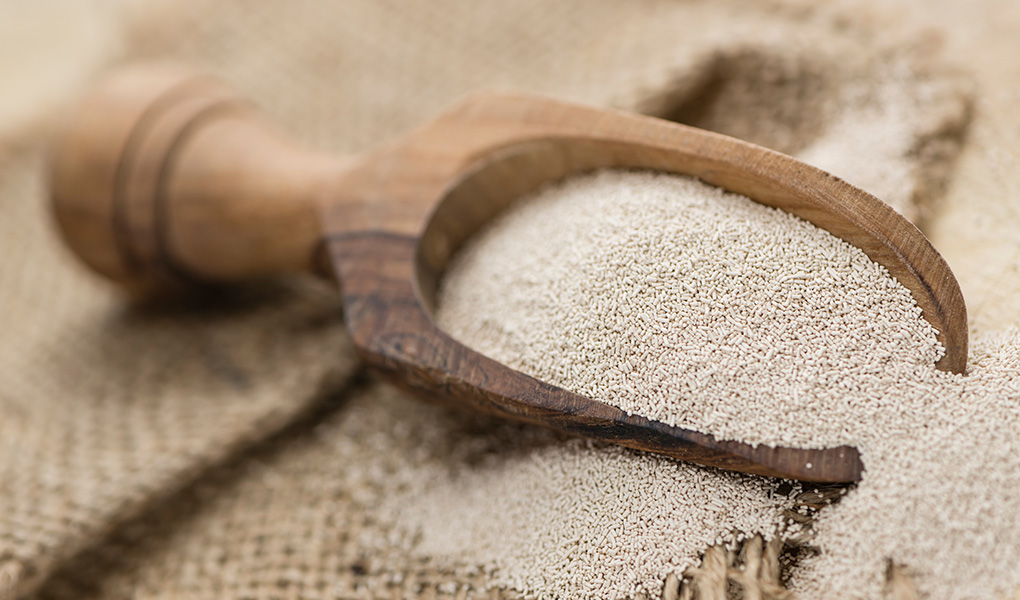
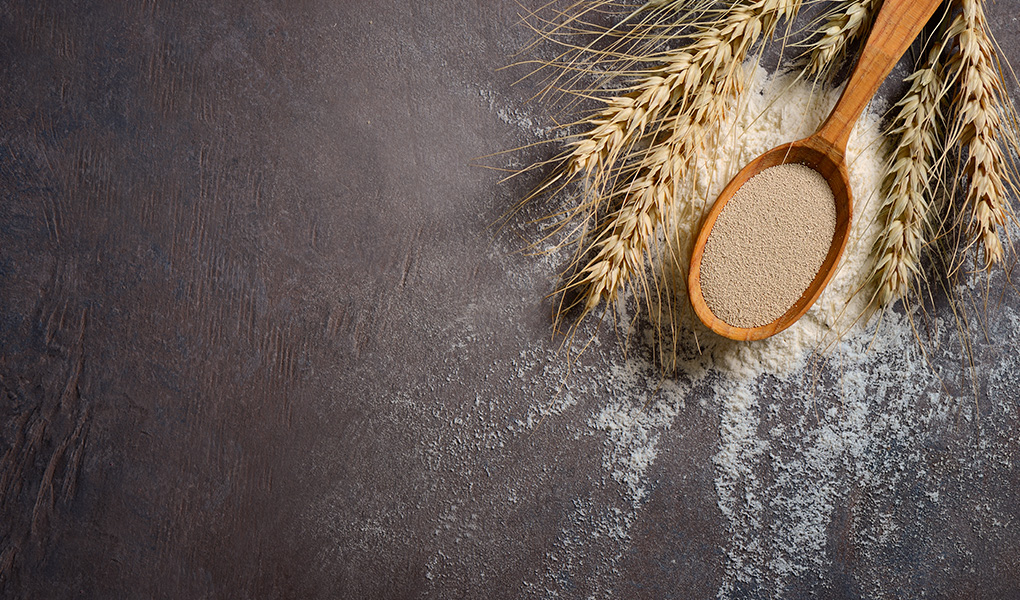
Brewer’s yeast is a single-cell fungus used in making all types of alcoholic beverages.

Brewer’s yeast plays a key role in beer fermentation — essentially consuming the sugars obtained from malted grains like barley and wheat, and producing alcohol and carbon dioxide. Brewer’s yeast also produces other compounds like esters and phenols during fermentation that contribute to taste, aroma and flavour in beer.

The production of quality beer with varied flavour profiles relies on the type of yeast strains used in the brewing process and its fermentation activity.

There is one particular brewer’s yeast genus — Saccharomyces (scientific name) often used in the brewing industry. Saccharomyces can be divided into two categories:

1. Lager Yeast

Lager yeast, Saccharomyces pastorianus, is used to make lager beers. These yeast cells sink below the fermenting liquid to carry out fermentation, hence called bottom-fermenting yeast.

Lager yeast functions effectively at cooler temperatures, 5℃ – 10℃ (41℉ – 50℉). They have special genomes to ferment more sugars than ale yeast, in turn, producing a light and crisp taste in lagers.

2. Ale Yeast

Ale beers are fermented with Ale yeast, Saccharomyces cerevisiae. Also known as the top-fermenting yeast, they work effectively at the top of the fermenting liquid.

As temperature affects the yeast fermentation process, ale yeasts function best at warmer temperatures from 15℃ – 24℃ (60℉ – 75℉). Characteristically, these yeast strains produce more esters at warmer temperatures, leading to fruity flavours in ale beers.

The Use Of Non-Saccharomyces Yeasts In Brewing

Besides the most common use of Saccharomyces yeasts in beer production, craft brewers are using non-Saccharomyces yeasts to produce low-alcohol beer, and probiotic beer and obtain desired sensory profiles in beers. Non-Saccharomyces yeasts have greater metabolic and enzymatic capacities that contribute to distinct flavour and aroma.


What are Malts?

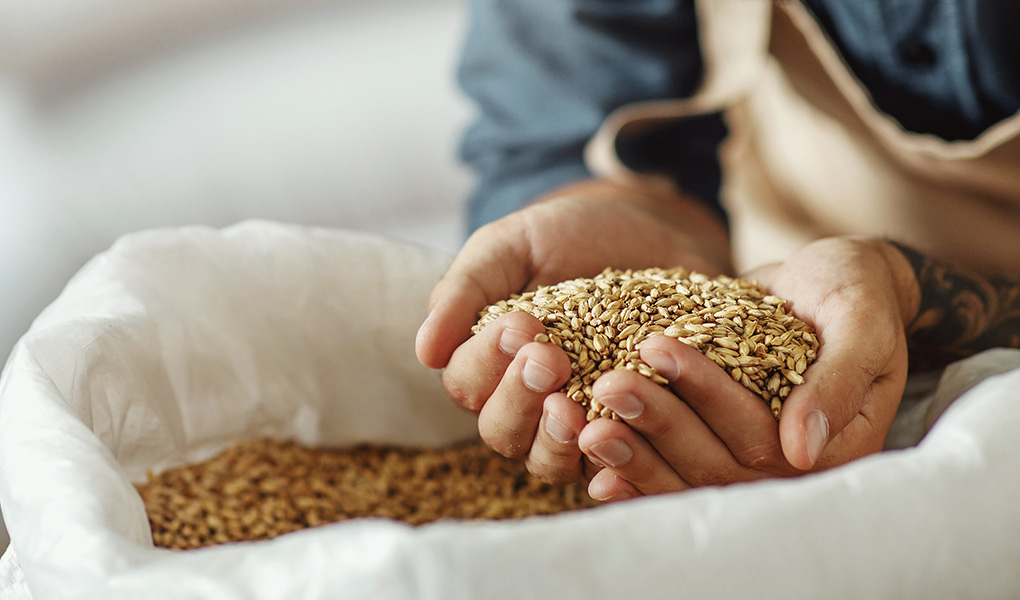
* Malt is the dried version of any germinated cereal grain like barley, wheat, oat and rye.

The most preferred malt in most beer styles is barley due to its high enzyme content, which helps to convert starch into sugar. Sugar extracted from malted barley is essential for the beer fermentation process. Malt also plays a role in the beers’ flavour, colour and aroma.

All malts used in the brewing process are classified as:

1. Base malts

Base malts make up the largest percentage of grain malts (from 60% to 100%) for brewing beer. During the kilning stage (drying of germinated grains), they undergo a short heating process to ensure that the enzyme content in the grains is well preserved. Their main purpose is to provide enzymes and fermentable sugars to make beer.

2. Speciality malts

Specialty malts constitute the remaining proportion of grain malts (up to 40%), and are mainly used to impart distinct flavour, aroma and colour in beers. Unlike base malts, there are fewer enzymes in speciality malts as they are heated for a long time during the kilning stage. Speciality malts are used in moderation to achieve desired beer characteristics.

Types Of Base Malts

1. Pale Malts

They are the most commonly used base malts. They have high diastatic power (a measure of the malts’ enzymatic activity) which makes them a versatile base malt for making most beer styles.

2. Pilsner Malts

These malts were originally used to brew German and Czech pilsners. They impart light, sweet, malty and crisp flavours in beers. Because of their excellent brewing properties, they are widely used as base malts in ales and lagers.

3. Vienna Malts

Vienna malts are slightly kilned which give them a darker appearance. Known for its subtle malty sweetness and toasty flavour, it is used as a base malt in Vienna Lager, Festbier, Maibock and India Pale Ale.

4. Munich Malts

It imparts rich malty, bready flavours and orange hues in appearance. Munich malts work well as a base malt in various beer styles like German dark lagers, Marzens, Dunkels, Bocks and Ales.

Types Of Specialty Malts

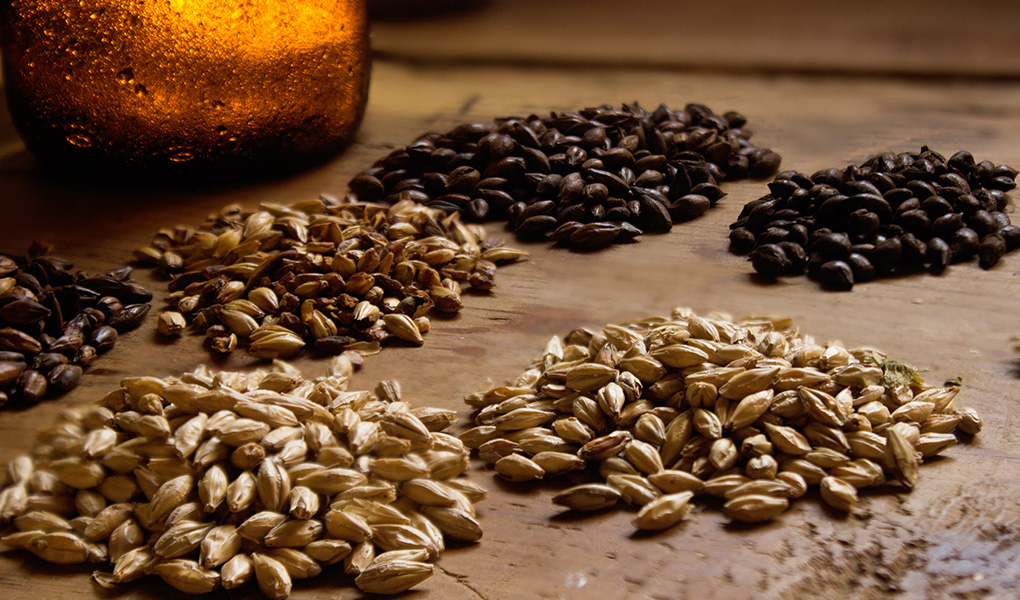
1. Caramel or Crystal Malts

Obtained from the roasting process, it is used to impart a wide range of colour and flavour. These malts are also high in complex sugars, thus providing the signature mouth-feel to respective beer styles.

2. Dark and Roasted Malts

Roasted at high temperatures for a longer duration, these malts are used to provide rich colour (from golden to black) and flavour in beer including coffee, burnt sugar, toffee, biscuit, and chocolate, to name a few.

What are Hops?

Hops are one of the most essential ingredients in brewing beer.

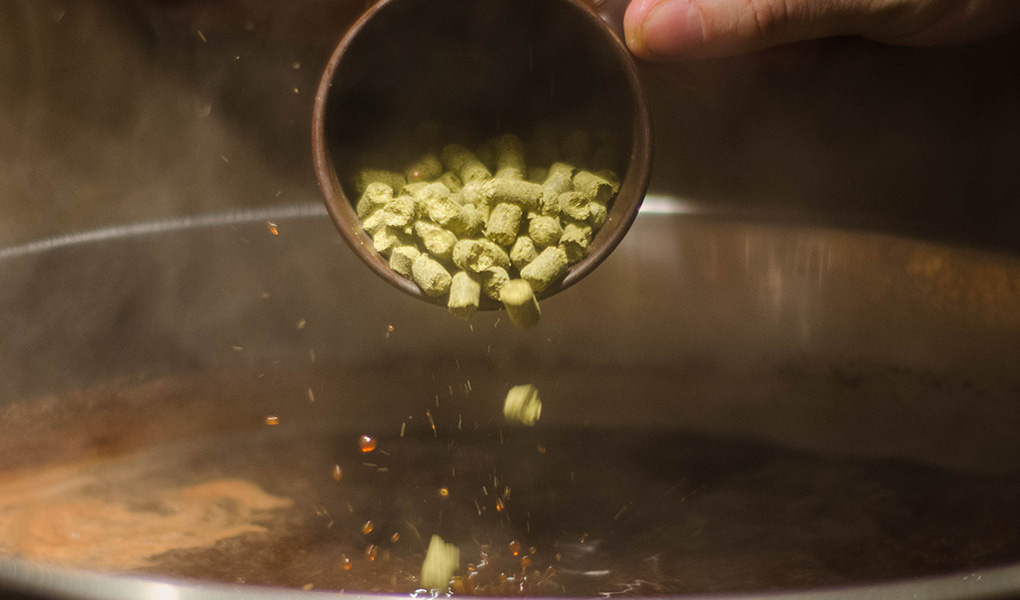
*Hops are the cones or flowers of a climbing plant called Humulus lupulus that belongs to the cannabis family. Hops contain a special gland called lupulin that imparts flavour, bitterness, and aroma to the beer. Apart from this, hops act as a natural preservative and help to increase the shelf life of beer.

Types Of Hops

Presently, there are 80 known hop varieties used for brewing various beer styles. They can be divided into two major varieties:

1. Bittering hops

These hop varieties contain high alpha acids that contribute to the bitterness in beer.

2. Aromatic hops:

Aromatic hops are high in essential oils that impart aroma and flavour to beer.

Brewers used bittering and aromatic hops in different stages of the brewing process to create a distinct bitterness, flavour and aroma in the beer.

The Role Of Hops In Beer

Bittering hops are added in the early boiling stage of the brewing process in order to impart bitter qualities in beer and balance the sweetness of the malt. Aromatic hops are added later in the boiling or fermentation stage to produce a specific aroma and flavour in the beer.

Besides contributing bitterness, adding flavour and providing aroma in the beer; hops play a crucial role in preserving the beer. It contains beta acids that act as a natural preservative and help to counteract the inevitable effects of spoiling bacteria during fermentation, and further keep the beer fresh for longer periods of time.