Know Your Beer Glass: Stemmed Beer Glass

Stemmed beer glass has a rounded bowl and a thick stem that is mounted on a footed base. The shape of these glasses are designed to accentuate the smell of aromatic brews such as India Pale Ales (IPAs), Belgian ales, Scottish ales, and Barleywines.

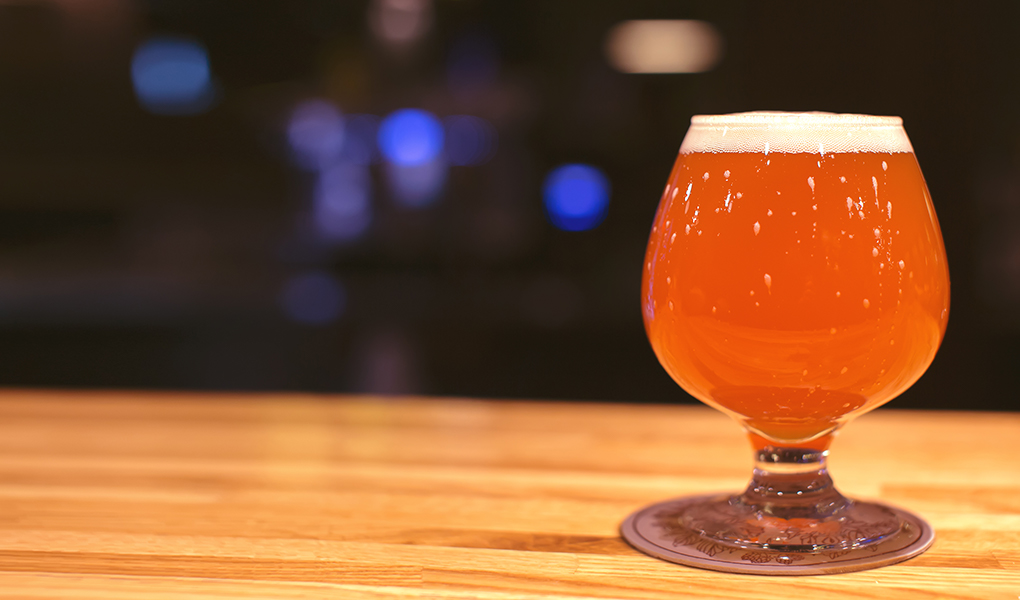
The Snifter

Snifter is a short stemmed glass with a wide bowl that is ideal for swirling the beer and releasing its aroma towards the drinker’s nose. Its narrow opening at the top directs the aromas, enhancing the olfactory experience. Snifters are commonly used for stronger, aromatic beers such as Belgian ales, barleywines, imperial stouts, and certain types of sour ales.
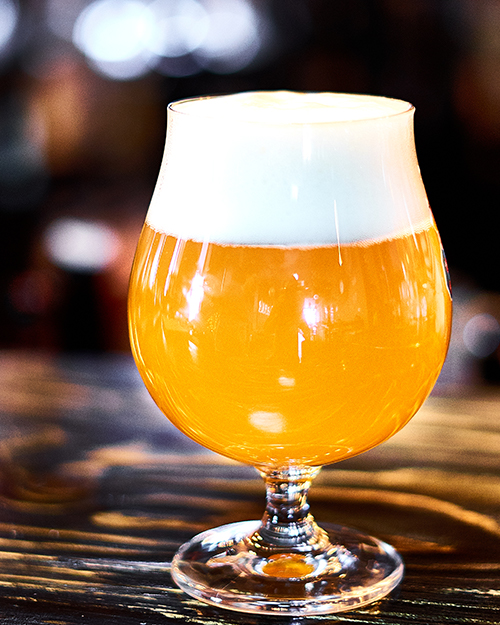
The Goblet

Goblet is traditionally decorative with a sturdy handle, wide mouth, and deep bowl. It is designed to prevent the heat exchange from drinker’s hand to glass and also to enhance the drinking experience. The shape of a goblet glass allows ample space for swirling and aerating the beer, which can help release its aromas and flavours.
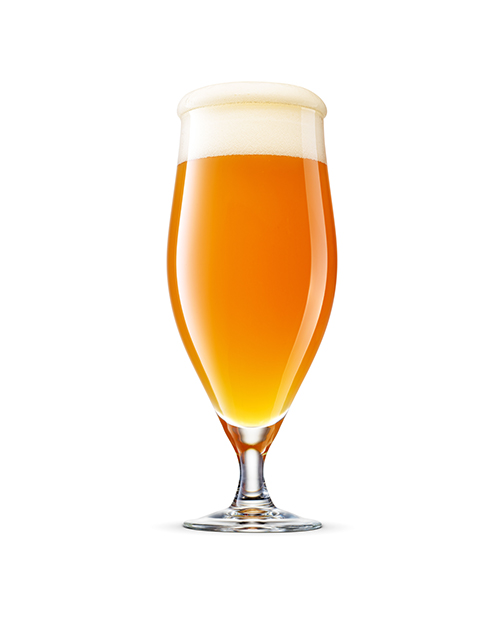
The Tulip

Tulip is similar to a snifter glass, but with a narrower brim which helps to bring out the full aromas of beer. This glassware is commonly preferred for aromatic and flavorful beers such as Belgian ales, Saisons, Sour ales, and Hazy IPAs. The shape of the tulip glass helps in preserving the beer’s head, concentrating the aromas, and showcasing the visual appeal of the beer.
Appropriate Beer Styles

India Pale Ales (IPAs), Belgian ales, Scottish ales, Saisons, Sour ales, Barleywines

Know Your Beer Glass: Pint Glass

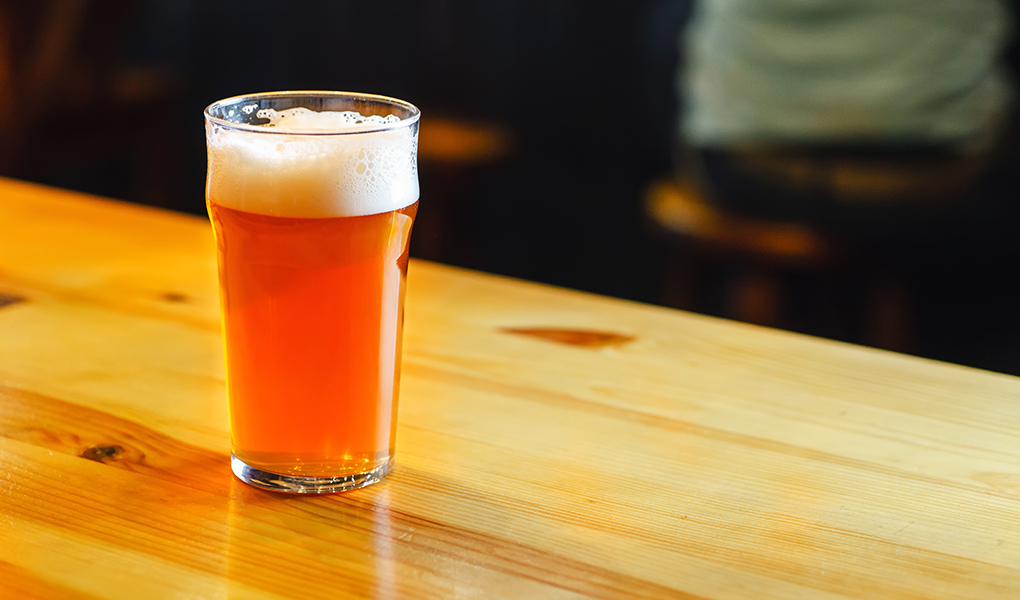
Pint glasses come in different shapes and sizes. The most common pint glassware: Shaker pint (American pint), Tulip pint and Nonic pint are mainly used for drinking beer styles such as lager, ale, India pale ale, stout, and porter.

The Shaker Pint

Versatile and functional, the shaker pint has a cylindrical, narrow-body and wider top. A wider top helps to retain the foam head while the narrow body helps to hold the beer comfortably.

However, they are not ideal for aromatic beers as the wider top prevents them from concentrating flavours and aromas for a long time.

The Nonic Pint

Also known as English pint glass, the nonic pint glass is a variation on the shaker pint glass with a bump at the top. The glass is designed to improve grip, and prevent the edge of the glass from getting nicked, hence referred to as ‘no-nick’ glass.

The Tulip Pint

The tulip pint has been a staple of beers with rich and complex flavours such as stout and porter. The curved shape of the glass helps to release the aroma of a beer while maintaining the drink’s head foam.

Appropriate Beer Styles

Lagers, Ales, India Pale Ale, Stout and Porter

Know Your Beer Glass: Pilsner Glass

Beer is served in a variety of beer glasses. Understanding the sensory characteristics of the beer and choosing the right type of glassware will certainly make a difference in how the drink tastes and smells.

The choice of glassware impacts the overall beer drinking experience. From retaining the temperature of beer to the ease of drinking, various glassware are designed for different styles of beer to enhance their characters.

Pilsner glasses are tall and slender glassware that comes in different styles and sizes. The most common pilsner glasses are weizen, stange, and pilsner.

The Pilsner

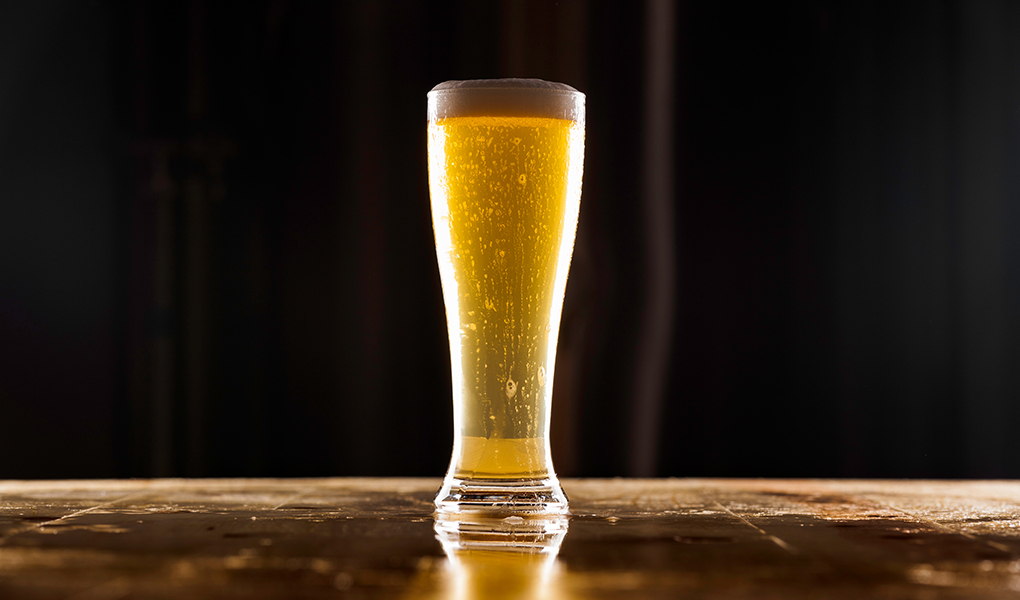
Designed for beer styles such as pilsners and lagers, the Pilsner glass has a broader top and tapered base meant to show clarity, colour and keep foam on top of beer. Its tapered sides showcase the sparkling effervescence of beer, while the etching on glassware helps to release carbon dioxide out of the beer.

The Weizen

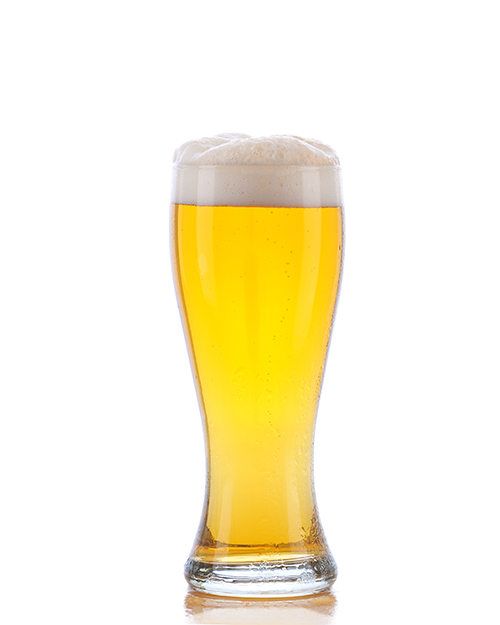
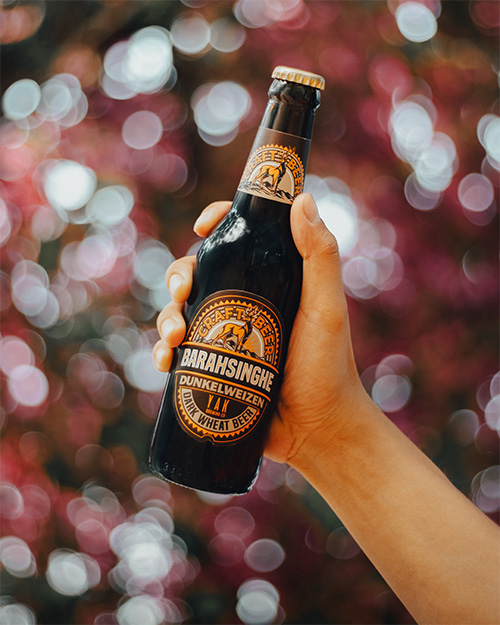
Wheat beer is traditionally served in Weizen glass with a wider rim and narrower base to release aroma and trap sediments. It is associated with wheat beer styles such as Dunkelweizen, Hefeweizen, and Weizenbock.

Typically a narrow middle and wider mouth glass, the Weizen glass is easy to hold and carry. Its unique shape shows a wheat beer’s cloudy appearance and perfectly maintains the thick beer foam on top.

The Stange

The Stange is a cylindrical glass specifically made for the Kolsch-style beer. The glass is designed to keep the carbonation and aroma of beer for an extended period. When serving beer, this glass is carried in a special tray called a Kranz.

Appropriate Beer Styles

Pilsner, Lager, Dunkelweizen, Hefeweizen, Weizenbock, Kolsch

Know Your Beer Glass: Beer Mugs

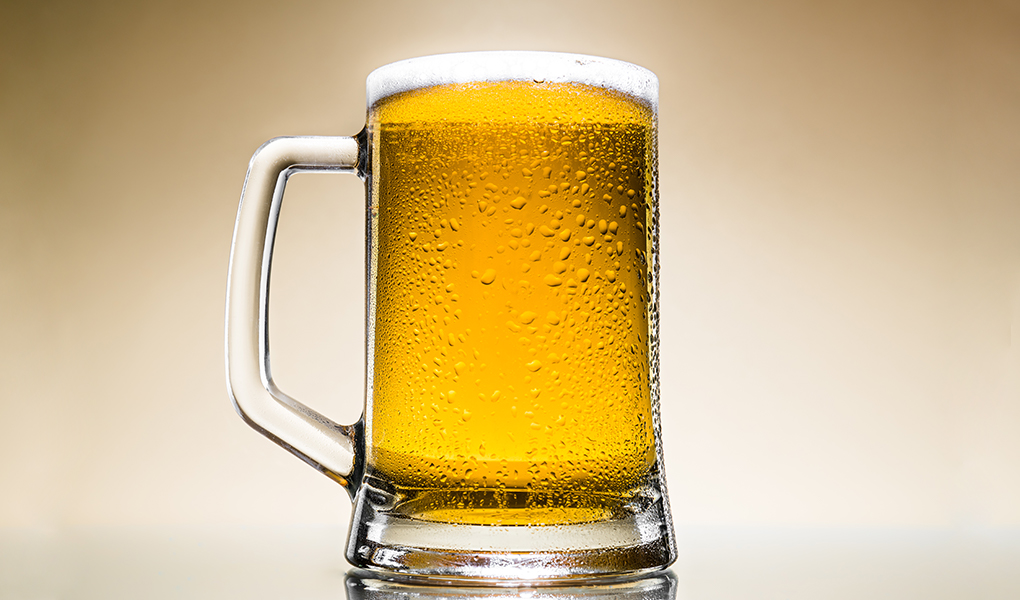
Beer mugs come in an array of styles and designs. The most common beer mugs are stein, tankard, and dimple mug, that are used to serve lagers and ales. They have a sturdy handle, wide mouth and thicker body, making it easier to drink while keeping the beer cold for a longer period.

The Stein

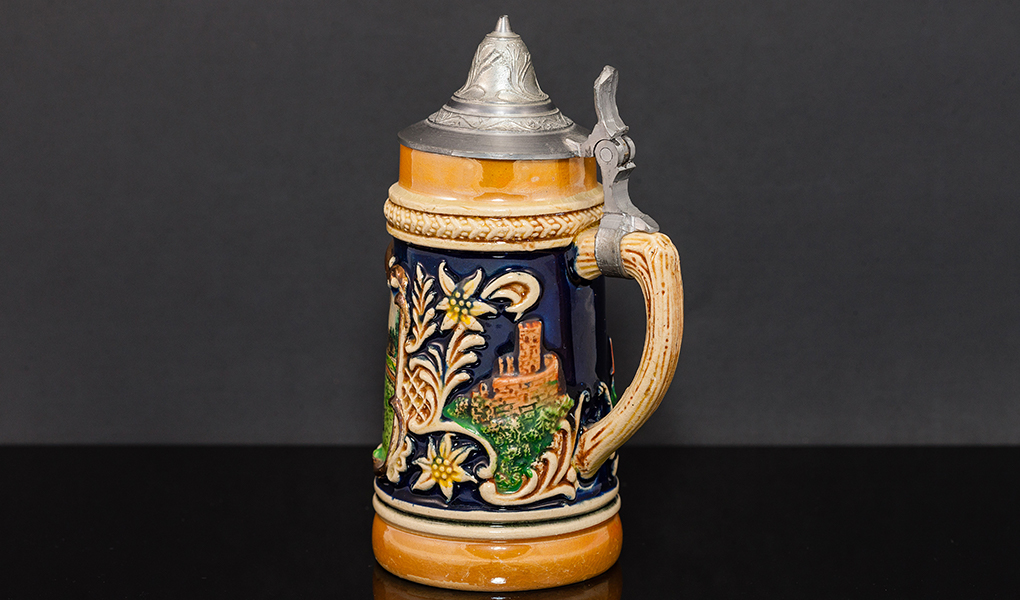
Stein is a traditional beer mug made from stoneware, ceramic, or glass. It features a hinged lid, handle and decorative designs. The lid on a stein glass was mainly used to prevent contamination from insects or other foreign objects, and helped to maintain the beer’s temperature. Stein beer glasses are popular in German beer culture and widely used in Oktoberfest celebrations and beer gardens.

The Tankard

Tankard has a cylindrical body with thicker handle, and is large enough to serve a pint of beer or more. The design of a tankard makes it easier for serving beer in larger quantities due to the presence of a handle.

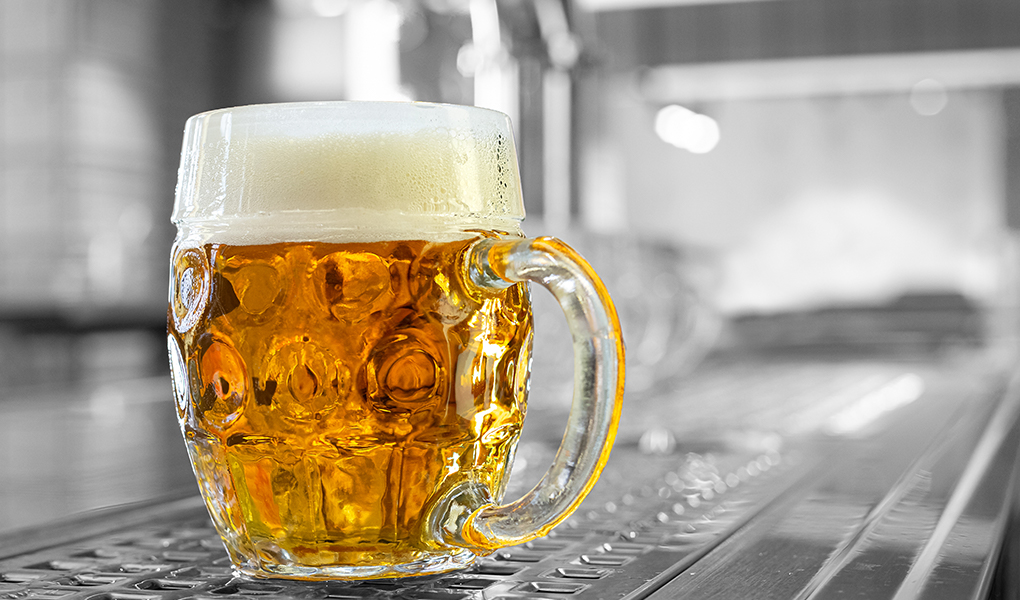
The Dimple mug

Though smaller than other drinking vessels, the dimple mug has a wide brim and handle that make it easy to sip and hold the drink. These mugs typically have a handle and a wide, rounded shape. The wide opening at the top of the dimple mug allows drinkers to experience the aroma of the beer styles such as English ales and bitters.

How is beer made?

Beer is an alcoholic drink produced by fermenting cereal grains. Water, barley, hops, and yeast are the four key ingredients used in making beer. These components work together in a series of steps to produce beer.

The brewing process* involves the following stages:

1. Malting

Malting is the process of converting barley into malts for brewing. This is achieved by soaking the grain in water (steeping), allowing it to germinate, and then drying it in a kiln. Malts provide enzymes and fermentable sugars, and impart flavour, colour, and aroma to beer.

2. Milling

Milling is the physical crushing of malt into smaller particles, which prepares them for the mashing process. This step must be adjusted carefully to find the perfect balance between a grind that is too fine and one that is too coarse. The degree to which malt is milled is crucial in creating the body of beer.

3. Mashing

Mashing is the process of mixing malt and water and heating up the mixture in the mash tun, which is a brewing vessel, to activate the enzymes present in the malt.
During this process, natural enzymes break down the malt starches into sugars. The resulting sugary liquid from the mixture is called wort.

4. Boiling

The wort is transferred to the lauter tun, where the liquid wort is separated from the solid spent grains. The sugary liquid wort is then boiled at a high temperature in the boiling vessel. During this step, hops are added to impart bitterness, flavour and aroma to beer. Next, the wort is cooled down immediately to prevent oxidation.

5. Fermenting

Once the boiled wort is cooled down, it is transferred to the fermentation tank, and yeast is added. The yeast feeds on the sugar from the wort, converting it into alcohol and carbon dioxide. After the primary fermentation, the young beer is matured for additional three to four weeks, which helps to develop its flavour profile, and results in an even better taste.

6. Filtering

In this optional stage, the beer undergoes filtration before it is packaged. This process removes any residual yeast, proteins, and other particles that may have developed during fermentation. By removing certain particles, the filtration process is crucial in achieving the desired texture, taste, and appearance of the final product.

7. Packaging

After the beer is cooled and filtered, it’s ready to be packaged in bottles, cans, or kegs for distribution.

The finished beer is then carbonated to provide the right amount of bubbles while being stored in airtight bottles or kegs. Proper packaging is crucial to ensure the beer’s freshness and to maintain its flavour until it reaches the consumer.

Beer Cinnamon Rolls Recipe

Warm, fluffy, and boasting a rich, sweet, spicy, buttery flavour, Cinnamon rolls are a fun and exciting way to test your baking skills.

In this blog, we share this amazing Beer Bread Cinnamon Rolls created with Barahsinghe Dunkelweizen. The low bitterness in this wheat beer style works amazingly well with this soft roll as the beer doesn’t overpower the sweet taste of this popular baked food.

The recipe yields 10-12 rolls and takes about 35 minutes. Give it a try and we guarantee you won’t be disappointed.

Ingredients

For the cinnamon rolls:
  • 405 g All purpose flour (extra flour required while kneading)
  • 2 tsp Baking soda
  • 2 tsp Baking powder
  • 100 g Sugar
  • 1 tsp Salt
  • 355 ml Barahsinghe Dunkelweizen
For the filling:
  • 113 g Butter, softened
  • 2 tbsp Cinnamon
  • ½ tsp Nutmeg
  • 110 g Brown sugar
  • 100 g Sugar
For the icing:
  • 4 tbsp Butter, softened
  • 4 tbsp Cream cheese
  • 240 g Powdered sugar
  • 1 tsp Vanilla extract
  • 1 tbsp Whole milk

Instructions

  1. Preheat the oven to 176° C (350° F).
  2. In a large bowl stir together the flour, baking soda, baking powder, sugar, salt, and beer until a ball of dough forms.
  3. Add to a lightly floured surface to knead until the ball comes together. If the dough is too sticky, add more flour while kneading until it’s no longer sticky.
  4. Once the dough is ready, gently roll it into a large rectangle.
  5. To prepare the filling, stir together the butter, cinnamon, nutmeg, brown and white sugar in a small bowl.
  6. Stir until a paste is formed.
  7. Spread the paste in an even layer on top of the rectangle dough. Roll along the long edge to form a long log.
  8. Cut into 10-12 rings and place the cut side up in a baking dish that has been lightly greased.
  9. Bake for 25-30 minutes or until the top is golden brown.
  10. Next, prepare the icing. Beat together the butter and cream cheese in a small bowl until combined.
  11. Add the powdered sugar, vanilla and milk, and beat until well combined.
  12. Pour the icing over the cinnamon rolls in an even layer, and serve immediately.

Recipe Source:

Domesticfits.com

https://domesticfits.com/10-minute-beer-bread-cinnamon-rolls/

Brown Sugar Beer Cookies Recipe

Nothing beats a sweet and comforting taste of sugar cookies. A slice of these freshly baked goods will certainly appeal to a wide range of palates.

In this blog, we share the easy-to-prepare Brown Sugar Beer Cookies. This dish uses Barahsinghe pale ale beer to create a complex and rich flavours.

The cookies themselves are delightful but the addition of beer elevates the flavour and gives them a soft and chewy texture with every bite. Featuring the fruity notes of English-style pale ale, this scrumptious recipe will have your cookie cravings.

The recipe yields three dozen cookies and takes about 30 minutes to prepare.

Ingredients

  • 80ml Barahsinghe Pale Ale
  • 75g Unsalted butter at room temperature
  • 125g Packed light brown sugar
  • 250g All purpose flour
  • 1 tsp Vanilla extract
  • 1 1/2 tsp Baking soda
  • 1/2 tsp Salt
  • 1 tsp Cornstarch
  • 1/2 tsp Ground cinnamon
  • 1 Large egg

Instructions

  • Preheat the oven to 162°C (325° F).
  • Prepare baking sheets by spraying them with non-stick cooking spray or covering them with parchment paper and set aside.
  • In a stand mixer, cream together the butter and brown sugar.
  • Add egg yolk and vanilla and mix until just combined.
  • Pour in Barahsinghe Pale Ale and mix again until just combined.
  • Add the remaining ingredients and mix until just combined.
  • Scoop out cookie dough by the rounded tablespoon full onto baking sheets.
  • Bake at 162°C (325° F) for 12-14 minutes.
  • Remove cookies and allow them to cool to room temperature.

Recipe Source:

Jennifermeyering.com

https://jennifermeyering.com/brown-sugar-beer-cookies/

Beer Packaging Bottle, Can And Keg

Once the fermentation process is complete, the beer is ready for bottling, canning and kegging for distribution. Considering its perishable nature, packaging plays a crucial role in preserving the freshness and flavour of beer. Therefore, the type of packaging plays an important role in maintaining and preserving the product’s freshness.

What Causes Flavour Deterioration In Beer?

In general, exposure to oxygen, light and temperature is considered detrimental to cause off-flavours in beer. Contact of beer with oxygen transforms ethanol into acetaldehyde, which deteriorates its flavours. Exposure to sunlight affects the taste of beer, by converting some hop compounds into skunky flavour. Storage temperature can also change the flavour as it directly affects the various reactions involved.

Types Of Packaging

To avoid various factors that cause flavour changes in beer during delivery and beer dispense, it is necessary to choose proper packaging that ensures product quality and consistency. Beer is mainly packaged in bottles, cans and kegs which has its own advantages and disadvantages.

1. BEER IN BOTTLES:

Glass bottles are safe for packaging beers to consume over a period of time. Ideally, brown bottles followed by blue and green bottles are good for beers as they block out harmful UV rays. Beer in bottles stays chilled and fresh for a longer time, and the ease of recycling makes it a popular choice among brewers.

2. BEER IN CANS:

Cans possess an excellent seal that protects the beer from harmful rays and exposure to oxygen. Compared to bottles, cans are lighter and provide a weight-saving advantage during shipping, which also reduces the carbon footprint of beer. Also, the addition of polymer liners inside cans prevents any metallic taste from coming through — so it preserves the beer quality.

3. DRAUGHT BEER:

Draught beer, also called draft beer, is a beer that’s served from kegs. Unlike bottled or canned beers, keg beers are best consumed fresh within a few days to weeks, and have different requirements for shipping, storage and handling. Kegs are recyclable, refillable and available in larger sizes, which contributes to sustainable beer packaging.

Best Practices For Quality Barahsinghe Draught Beer

Good draught beer quality requires pouring beer with long-lasting foam heads, at controlled temperature and CO2 levels, in optimum time (within a few weeks) and without flavour deterioration.

We maintain a cold-chain distribution — it is a process where we store, transport and dispense our keg beers at a constant temperature below 4℃ (40℉), so that you can enjoy fresh brews every time.

From kegs to glass, our draught beer is kept chilled all the time to ensure product quality and consistency. Beer is also susceptible to spoilage from poor hygiene and microbiological contamination. To maintain hygienic conditions, we use the FlexiDraft system, whose disposable single-use beer line eliminates the need for cleaning the draught beers line and increases the shelf life of beer with every keg change, and prevents the growth of microorganisms.

Soft Beer Pretzels Recipe

Ever wondered how to make your own pretzels?

Pretzels are a very popular baked pastry in Germany, and a classic Oktoberfest snack served with “obatzda”, a cheese dip and enjoyed with a stein of marzen-style beer.

Legend has it that pretzels were first made by Italian monks from bread dough scraps and were believed to be holy food with healing power. The iconic twisted knot of the pretzel is said to symbolise arms folded in prayer.

In this blog, we share the recipe of pretzels using a marzen style beer, such as Barahsinghe Yaktoberfest.

Using a beer in the pretzel enhances both flavour and tenderisation. The toasted-bread like malt flavour and slight hop bitterness in the marzen style beer can add a rich and distinctive taste to the pretzel dough. Additionally, the alcohol in the beer helps to tenderise the dough to make a soft pretzel.

Ingredients

  • 330ml Barahsinghe Yaktoberfest
  • 500g All-purpose flour
  • 2 1/4 tsp Active dry yeast
  • 2 tbsp Unsalted butter (melted)
  • 2 tbsp Sugar
  • 1 1/2 tsp Salt
  • 10 cups Water
  • 98g Baking Soda
  • 1 large Egg Yolk
  • 1 tbsp Water
  • Coarse salt (optional)

Instructions

  • In a small saucepan, heat beer to 43°C – 46° C (110°F-115°F). Remove from heat and stir in yeast until dissolved.
  • In a large bowl, combine unsalted butter, sugar, 1 1/2 tsp salt, yeast mixture and 375g flour. Beat on medium speed until smooth. Stir in enough remaining flour to form a soft dough (dough will be sticky).
  • Turn dough onto a floured surface and knead until smooth and elastic (approx. 6-8 minutes).
  • Place in a greased bowl, turning once to grease the top. Cover and let rise in a warm place until doubled, about 1 hour.
  • Preheat the oven to 218°C (425°F).
  • Punch dough down. Turn onto a lightly floured surface; divide and shape into 8 balls. Roll each into a 24-in rope.
  • Curve ends of each rope to form a circle; twist ends once and lay over the opposite side of the circle, pinching ends to seal.
  • In a Dutch oven, bring water and baking soda to a boil. Drop pretzels, 2 at a time, into boiling water. Cook for 30 seconds and remove with a slotted spoon and drain well on paper towels.
  • Once drained, place the pretzels 2 in. apart on greased baking sheets.
  • In a small bowl, whisk egg yolk and water; brush over pretzels. Sprinkle coarse salt on top (optional).
  • Bake until golden brown for approx. 10-12 minutes. Remove from pans to a wire rack to cool.

Recipe Source:

Tasteofhome.com

https://www.tasteofhome.com/recipes/soft-beer-pretzels/

What Is A Hazy India Pale Ale (Hazy Ipa)?

A Hazy IPA is a highly popular style of India Pale Ale (IPA). It is characterised by its cloudy (hazy) appearance, juicy and tropical flavours, and a moderate level of bitterness. The brewing process involves dry-hopping, which imparts a range of hop flavours and aromas.

THE ORIGIN OF INDIA PALE ALE

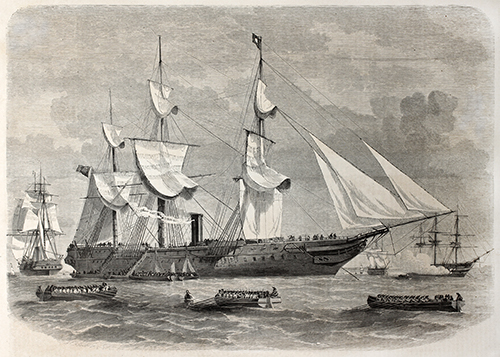
India Pale Ale (IPA) has a fascinating history that can be traced back to the traditional pale ale style. In the early 18th century, British brewers faced the challenge of creating a beer that could maintain its freshness and quality during the long journey from England to India.

To address this challenge, brewers began experimenting with higher hop additions and increased alcohol content in their pale ales. The additional hops acted as a natural preservative, preventing spoilage and providing stability during the extended voyages.

These hoppier and more bitter versions of pale ale eventually came to be known as India Pale Ales. Over time, the style continued to evolve, giving rise to variations such as the malt-forward English IPA and the modern Hazy IPA with its emphasis on bold hop flavours.

HAZY IPAs VS. IPAs: What’s the difference?

Some guiding variables that distinguish Hazy IPAs from IPAs are:

1. TYPE OF MALTS USED: Hazy IPAs incorporate malted barley, wheat, and oats to achieve their hazy appearance, while IPAs typically use malted barley alone.

2. FLAVOUR PROFILE: Hazy IPAs exhibit tropical and citrusy notes, whereas IPAs often feature floral and earthy characteristics.

3. HOPS ADDITION TIME: In Hazy IPAs, hops are added after fermentation to enhance aroma, whereas in IPAs, hops are added during the boiling process to contribute bitterness.

4. BEER FILTRATION: Hazy IPAs intentionally avoid filtration, resulting in the beer’s haze and retained hop characteristics, while IPAs are usually filtered for clarity and crispness.

5. BODY: Hazy IPAs generally possess a creamy and soft mouthfeel, with a fuller body compared to the lighter to medium-bodied IPAs.

6. STRENGTH: Hazy IPAs tend to have lower alcohol content compared to IPAs, although this can vary depending on the brewer. Historically, IPAs were known for their higher alcohol by volume.

By considering these factors, enthusiasts can appreciate the unique qualities and distinctions between Hazy IPAs and IPAs, each offering its own delightful taste experience.
Regenerate response